

We care about your health & wellbeing
You are caring for others at work, and at home, during this pandemic crisis,
therefore it makes good sense that you look after your physical and mental
health.
We are producing weekly Wellbeing Guides for our #frontlineheroes around the country – supporting our team while they care for and support our residents
and their families.
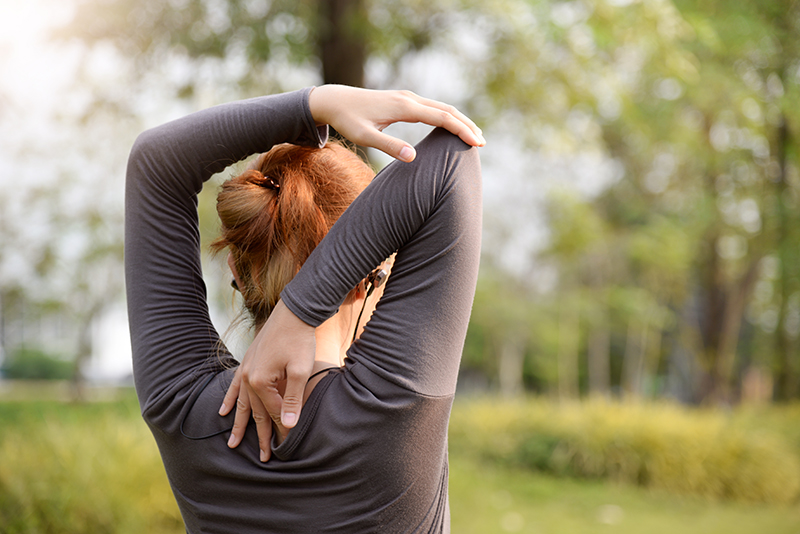

Notice what you are feeling or experiencing. Take five minutes out to become aware of this. What are you feeling in your body? These
uncomfortable feelings are a normal reaction to an extraordinary situation and life events in general. These feelings pass; they will not be there
all of the time.
You are not alone. Others are feeling similar to you. People are different in how they interpret life events; therefore, each of us is unique in how sensitive we
are. Be kind to yourself in how you are feeling.
You can do something (take action) to indirectly alter what you are experiencing:
– Take time out for yourself, go for a walk or run
– Do some gardening of any kind
– Read a good book that you enjoy
– Talk to someone about what you are feeling
– Do nothing if this helps you
– Lessen the amount of news you are listening to
– Establish a healthy sleep pattern
– Stay in touch with loved ones using video calls, on whatsapp or facetime
– Lessen the amount of social media that you are engaging in that might be increasing feelings, anxiety etc.
Think about what actions you have taken, that have helped you in the past. Whatever helped, as long as it is a
healthy action, do more of it.
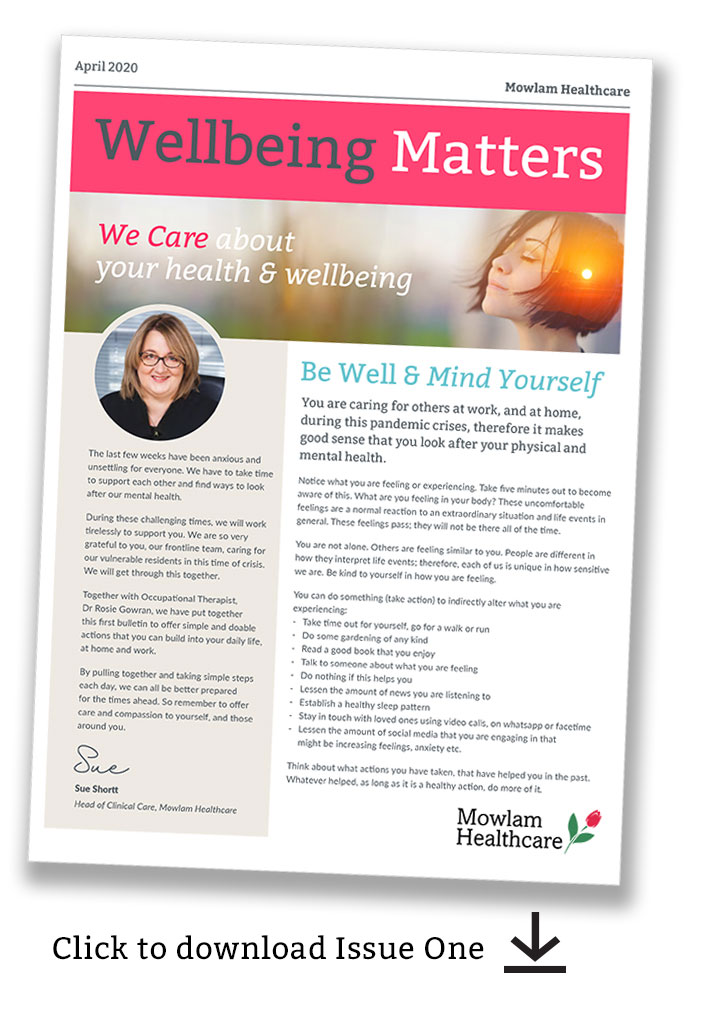
Mind Yourself Mind Others
The Dockt Way To Wellbeing
Be Present
- Focusing on daily routines
- Supporting, caring for others
- Mindfulness as you move through the day – simple technique to focus the mind on the here and now
- Meaningful activities for the residents and staff to enjoy together, singing, relaxation, dancing, exercise, painting (art exhibition), games, afternoon tea (with a theme perhaps), laughter.
- Make subtle changes to create a calming environment – turn off noisy radios and TVs, put on soothing music, avoid watching the news
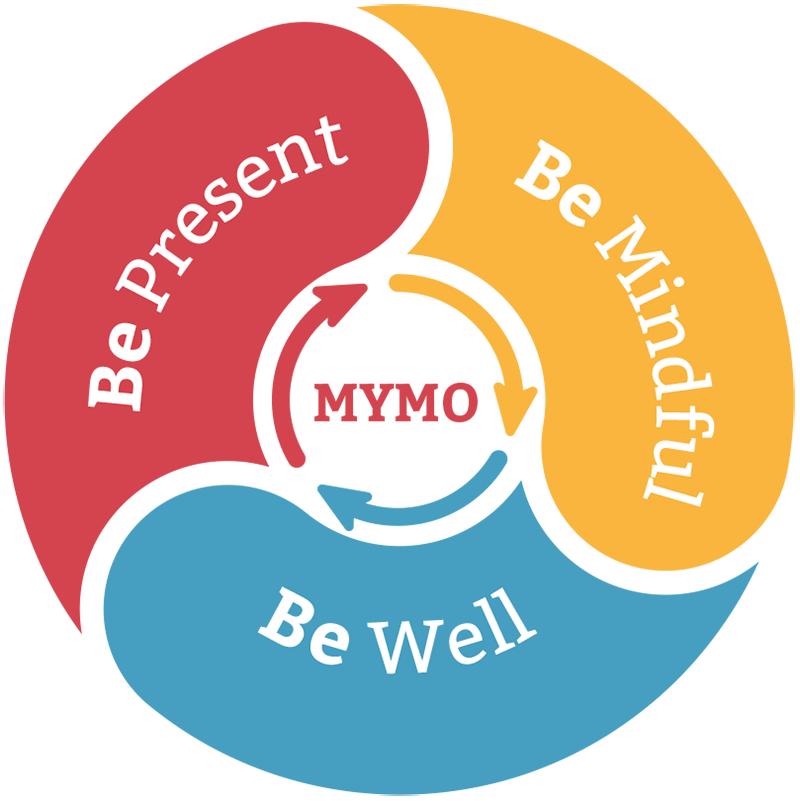
Be Mindful
- Washing your hands
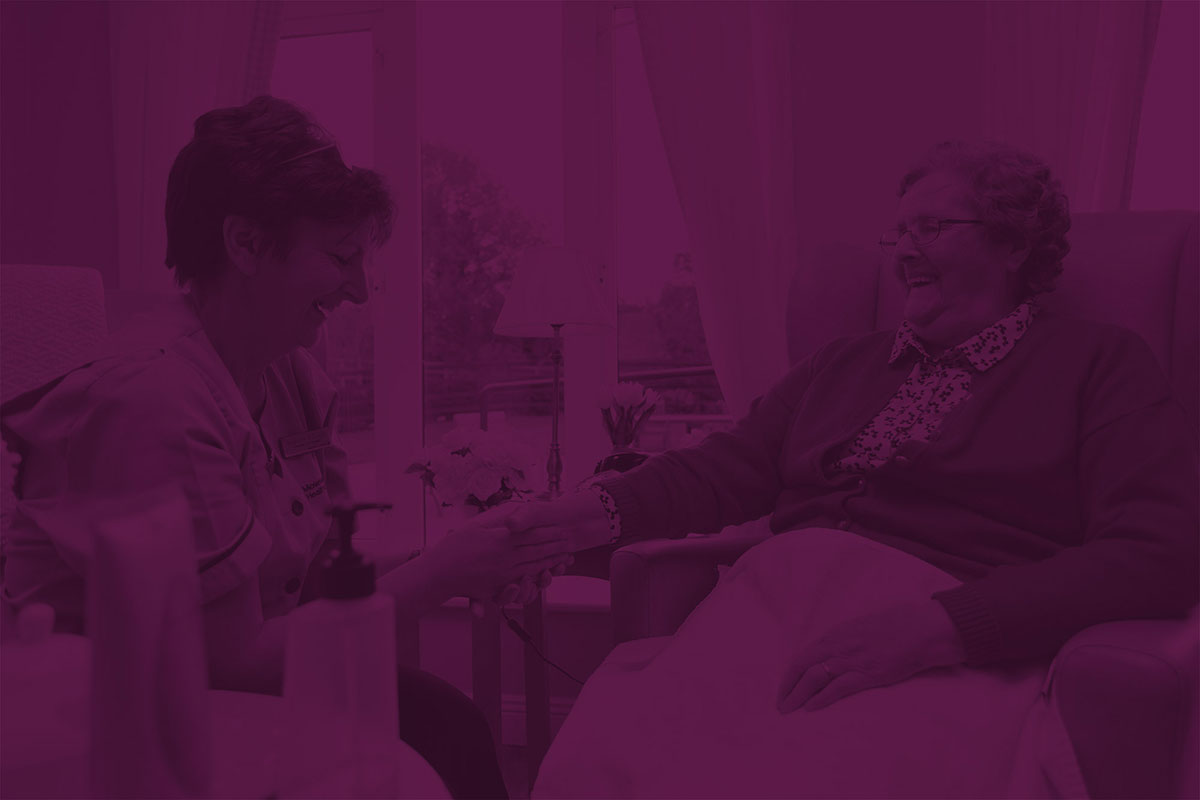
- Self-care hand massage
- Five minute mindfulness and meditation breaks
- Be compassionate towards yourself and others
Be Well
- Eat Well – healthy snacks during short breaks. Good meal choices
- Movement in Open Spaces: dancing, yoga (laughter), walking meditation
- Take a Rest – listen to music, read a book, guided relaxation, close your eyes
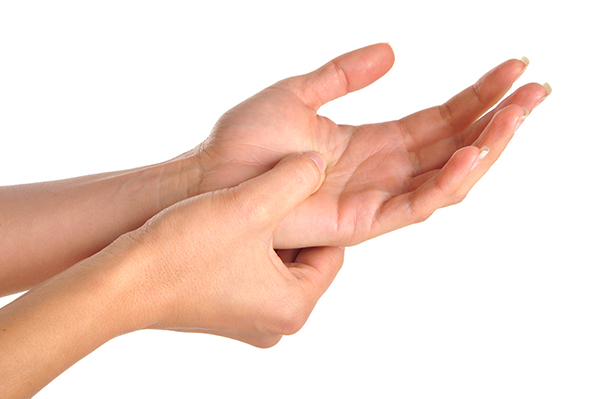
Be Mindful – give yourself a self-care hand massage
When you’re feeling worn out, try giving yourself a boost with some hand massage. It is
easy to take your hands for granted and neglect them after a hard day’s work. People use
their hands more than they realise, and just like your neck and shoulders, it is important
that you provide the muscles in your hands a tension relieving massage. A hand massage
can reduce hand or wrist pain, but it can also relieve headaches and help you sleep better.
A hand massage can be as long or as brief as you’d like.
Tip: Hand massages are very easy to do almost anywhere, so you could give yourself a
quick massage as you handwash at work, while talking with a colleague, or just sitting in
the car.

A Moment of Calm
5 Minute Meditation Recording
Listen to this meditation and take five before the beginning of shift and at
the end of shift.
Mindful Breathing Meditation
Start your day off well with this simple mindful breathing exercise to help
develop a sense of calm and focus.
S T O P
S: stop what you are doing
T: take a few deep breaths
O: observe your body and smile
P: proceed with kindness and compassion
Deepak Chopra
Moment To Moment
……………………………………………………………………………………………………………………………………………………………………..
Focus on your breathing and stretch for 10 sec every hour
Observe beauty: the flowers, leaves on a tree rustling in the wind, the moving clouds, birds singing
Mindful eating: during meals or snacks you eat, pay attention to the sensory experiences – the texture, taste, smell, and appearance of the food, and the sounds when you bite into your food.
Take a mindful moment to give your brain a rest, put the phone away, switch off the radio, and close your eyes for a few seconds.
Be Mindful, Meditation Can Help You
Mindful meditation can help improve your health and happiness, beyond
focus, stress, sleep and engagement.
Meditation works by helping people, primarily people working in healthcare, regulate emotions, changing the brain to be more resilient to stress, and improving stress bio-markers.
Learning and practising mindfulness can help us to let go of worries and bring ourselves back to the present moment. For example, focusing on the gentle
movement of your breath or the sounds you hear around you, can serve as helpful ‘anchors’ to come back to the present moment and let go of worries.
- Begin by making yourself comfortable on your chair, allowing your back to be straight but not stiff, with your
feet on the ground. Let your hands rest on
your lap. - Bring your awareness now to your breathing, is it fast or slow?
Take several long slow deep breaths, breathing in fully and exhaling slowly. Our breathing helps us focus and
nourishes all the cells in our
body. If you wish, you can gently close your eyes or pick an object in the room to focus on. Continue to
focus on your breath. - You can begin to bring attention to your body.
Notice your body seated, feel the weight of your body on the chair and take a few deep breaths.And as you
take a deep breath, your taking in more oxygen enlivens the body and as you exhale have a sense of relaxing
more deeply. - Now notice your feet on the floor, their weight, pressure, vibration, heat.
- Notice your arms, feel any sensations in your arms, let your shoulders be soft.
- Notice your neck and throat, let them soften and relax.
- Soften your jaw. Let your face and facial muscles be soft.
And notice your whole body be present.
Take one more breath. - Be aware of your body as best you can.
Take a breath, and when you’re ready, you can open your eyes.
………………………………………………………………………………………………………………………………………………………………………………………………………………………………………………………………..
Our Sincerest Thanks To:
Michelle McInerney, Creative Director
Copper Reed Studio, for bringing the wellbeing team together and producing the weekly guides.
Dr Rosie Gowran, Occupational Therapy
School of Allied Health University of Limerick
Clare Gowran, Psychotherapist
Olivia Divilly & Lisa Jolly, Occupational Therapists,
HealthcareDirect
Louise Ward & Helen Rigney, Physiotherapists,
HealthcareDirect
Dr Anne Griffin, Registered Dietitian
School of Allied Health University of Limerick
Maeve Gell, Massage and Aromatherapy